Running advertising campaigns today means working across multiple platforms, including Google Ads, Meta, TikTok, LinkedIn, X (Twitter), ChatGPT, and Snapchat. Unified ads APIs make things easier, helping businesses and developers automate and manage advertising campaigns across multiple platforms programmatically.
So, we decided to find and rank the best universal ads APIs in 2026. We'll compare their features, supported platforms, pricing, and use cases, and explain what makes each one stand out.
Let's begin.
Why Use a Universal Ads API Instead of Direct Platform APIs?
A universal ads API is a single API that enables advertisers and developers to manage ad campaigns across multiple platforms. Instead of integrating with each platform's advertising API separately, you can use one API to create and manage campaigns, update budgets, monitor performance, and retrieve advertising data across multiple platforms.
Direct Platform Ads API vs Universal Ads API
| Features | Direct Platform Ads API | Universal Ads API |
|---|---|---|
| Target Platform | One API for a single platform | One API for multiple advertising platforms |
| Development Time | Longer, as each platform requires its own implementation | Shorter, with a single integration for all supported platforms |
| Data Model | Platform-specific request and response formats | Standardised request and response formats |
| Authentication | Separate authentication flow for each platform | Unified authentication through one API |
| Analytics & Reporting | Retrieved separately from each platform | Unified analytics and reporting across platforms |
| API Maintenance | Each platform has its own API versions, updates, and breaking changes. Developers must monitor and maintain every integration individually. | The API provider manages platform updates and API changes, reducing maintenance effort and allowing developers to focus on building their applications. |
| Scaling | New platforms require additional development work, including authentication, API endpoints, and platform-specific configurations. | New advertising platforms can be added with little or no additional integration work, as they are supported through the existing API. |
| Best For | Businesses focused on a single advertising platform with platform-specific requirements. | SaaS platforms, agencies, and businesses managing multi-platform advertising through a single API. |
Reasons to Choose a Universal Ads API
Businesses and developers often choose a universal ads API because it simplifies multi-platform advertising, reduces development effort, and provides a consistent way to manage campaigns across different advertising platforms.
Some of the main reasons include:
1. One integration for multiple advertising platforms
A universal ads API enables businesses and developers to create, manage, and monitor advertising campaigns through a single integration. Rather than integrating separately with Meta Ads, TikTok Ads, LinkedIn Ads, X Ads, and other platforms, developers can use one consistent API. Each advertising platform has its own authentication methods, endpoints, request formats, rate limits, and error responses. A universal ads API abstracts these differences into a standard interface, making development, testing, and long-term maintenance much simpler.
2. Customisation
Instead of relying on existing ad management platforms that may not meet your specific business needs, a universal ads API lets you build your own advertising platform or workflow. Developers have full control over the user experience, automation, reporting, and integrations, making it easier to create custom solutions tailored to their products and customers.
3. Faster integration
Building direct integrations with multiple advertising platforms requires significant engineering effort. Every platform has its own authentication flow, API structure, documentation, and versioning requirements. A universal ads API removes much of this complexity by providing a single integration that works across multiple advertising platforms, enabling developers to ship solutions faster.
4. AI agent integration
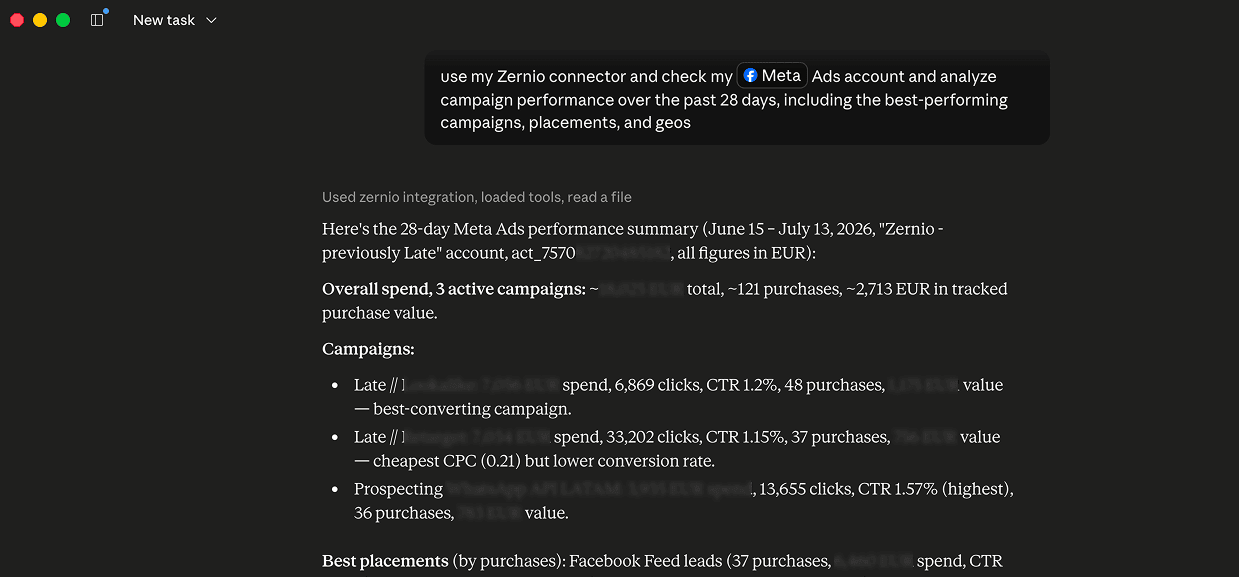
Many modern universal ads APIs support Model Context Protocol (MCP), allowing AI assistants and autonomous agents to interact with advertising platforms. Instead of manually creating or managing campaigns, users can prompt their AI assistant to launch campaigns, adjust budgets, monitor performance, generate reports, or analyse advertising data, all through a single API.
5. Automatic API updates and maintenance
Advertising platforms regularly introduce new API versions, deprecate endpoints, update authentication methods, and add new features. Keeping up with these changes across several platforms can become a significant maintenance burden. A universal ads API provider manages these updates behind the scenes, ensuring that integrations remain compatible with the latest platform APIs. This allows development teams to focus on building product features instead of continuously updating API integrations.
6. Easier scaling
A universal ads API makes it easier to expand your advertising capabilities as your business grows. For example, your needs may initially require only Meta Ads, but later TikTok Ads, LinkedIn Ads, or X Ads. With a universal ads API, adding support for additional advertising platforms often requires little or no additional integration work because the underlying API is already connected to multiple platforms.
7. Additional reliability and operational features
Direct platform APIs primarily provide access to ad creation and management. A universal ads API is built on top of these APIs to improve reliability and simplify operations. These features may include automatic retries, request queuing and logging, unified error handling, and workflow automation to help businesses build more reliable advertising systems in a shorter time.
A quick look at the best universal ads APIs in 2026
The table below highlights the key differences between these tools:
| Tool | Key Features | Pricing (Plan + Price) | Social Media API | Best For |
|---|---|---|---|---|
| Zernio Ads API | Unified Ads API, audience targeting, post boosting, real-time analytics, messaging, webhooks, campaign management | Free (2 accounts); paid from $6/account/month | 15 social platforms + 8 advertising platforms | Developers, SaaS platforms, AI agents, automation workflows |
| Ayrshare | Facebook Ads API, publishing, analytics, messaging, webhooks, post scheduling | From $149/month | 13 social platforms + Facebook Ads | SaaS products, developer-first social media integrations |
| Metricool API | Ads dashboard, analytics, reporting, MCP integration, AI assistant, competitor tracking | Free plan; paid from $25/month | 11 social platforms + Google Ads, Meta Ads, TikTok Ads | Agencies, marketers, creators, and reporting dashboards |
| Unified | Campaign management, audience targeting, budget control, real-time metrics, webhooks, zero-storage architecture | From $750/month | Advertising API only (20 ad platforms) | Enterprise SaaS, advertising automation, large-scale integrations |
| Sprinklr Ads API | Enterprise campaign management, AI optimisation, governance, creative intelligence, workflow automation | Enterprise (Quote-based) | 10+ advertising platforms | Large enterprises and global marketing teams |
Stop building social integrations from scratch.
One API call to publish, schedule, and manage posts across 15+ platforms.
Best Universal Ads APIs in 2026
1. Zernio Ads API
Website: https://zernio.com/
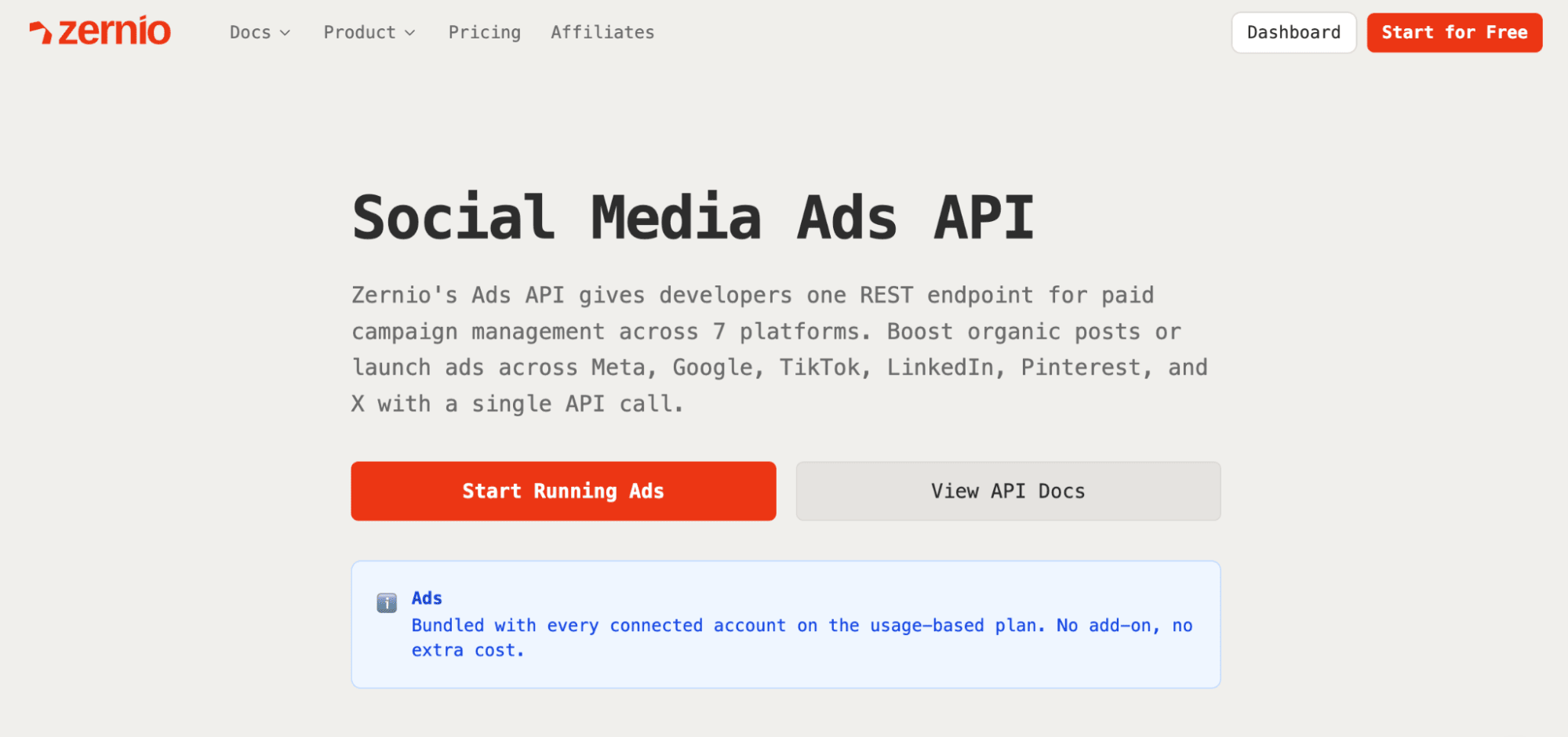
Zernio is a unified social media API that supports paid campaign management across 8 platforms, including Meta (Facebook and Instagram), Google, TikTok, LinkedIn, Pinterest, X (Twitter), and ChatGPT. It gives you an API you build on: one JSON payload, one auth token, real-time analytics, audience targeting, messaging, and content scheduling and publishing across Instagram, TikTok, X, LinkedIn, YouTube, and ten other platforms in a single call.
Key Ads API Features
- Supports advertising across Facebook, Instagram, TikTok, Google Ads, LinkedIn, Pinterest, X, and ChatGPT through a single API.
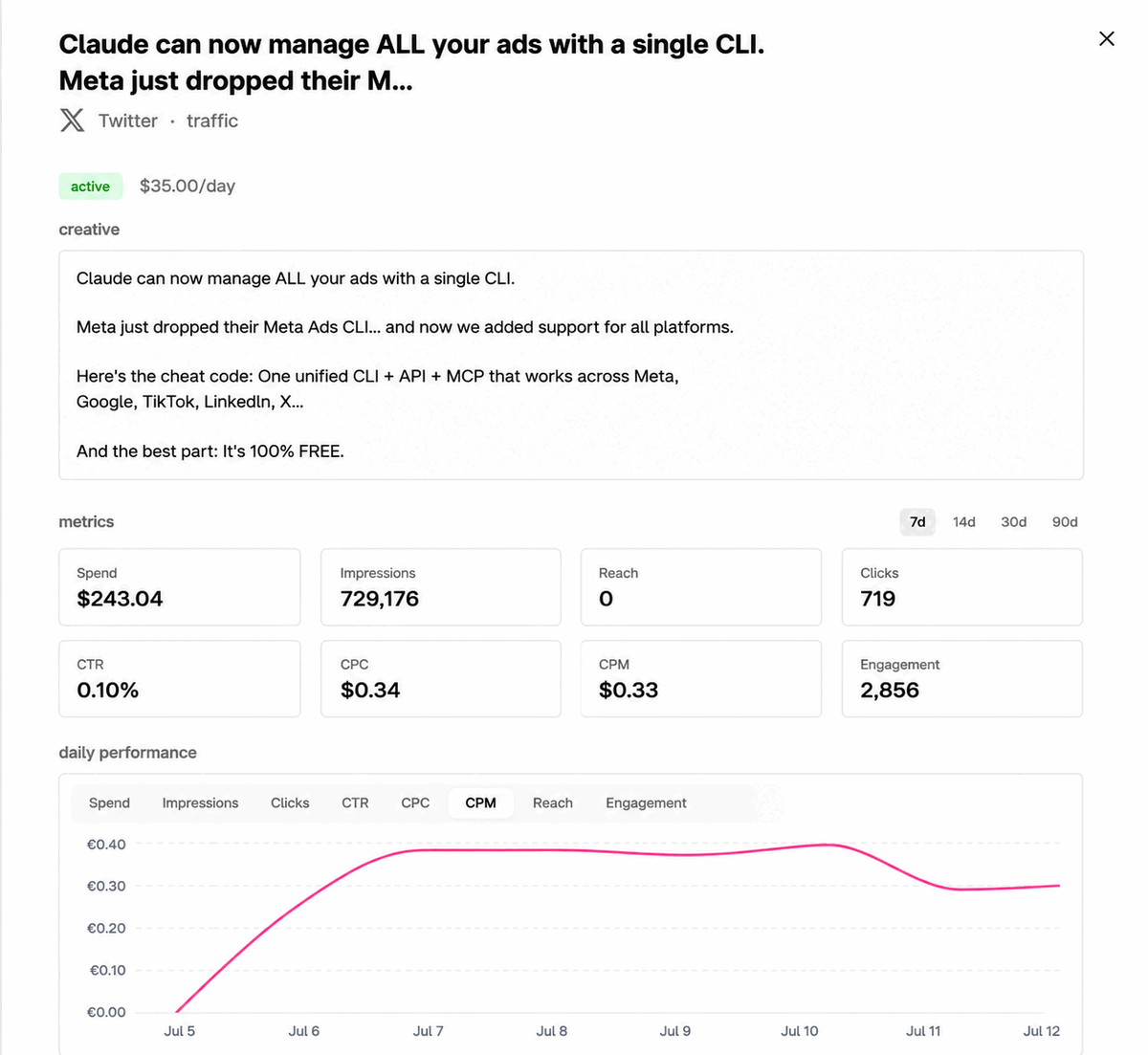
- Programmatic control over your ads: create, launch, pause, edit, resume, stop, or delete ad campaigns across 8 platforms. Cross-platform advertising analytics, including spend, impressions, clicks, CTR, CPC, and CPM, and breakdown by age, gender, country, and device.
- Manage targeting with custom audiences, lookalikes, interest targeting, and demographic filters.
- Standalone ad campaign creation with custom creatives, headlines, images, and call-to-action (CTA) buttons.
- Organic post boosting into paid advertisements without creating a new campaign from scratch.
- Unlimited post scheduling and publishing across 15 platforms.
- Unified API for ads, messaging, analytics, comments, and content management.
Pricing
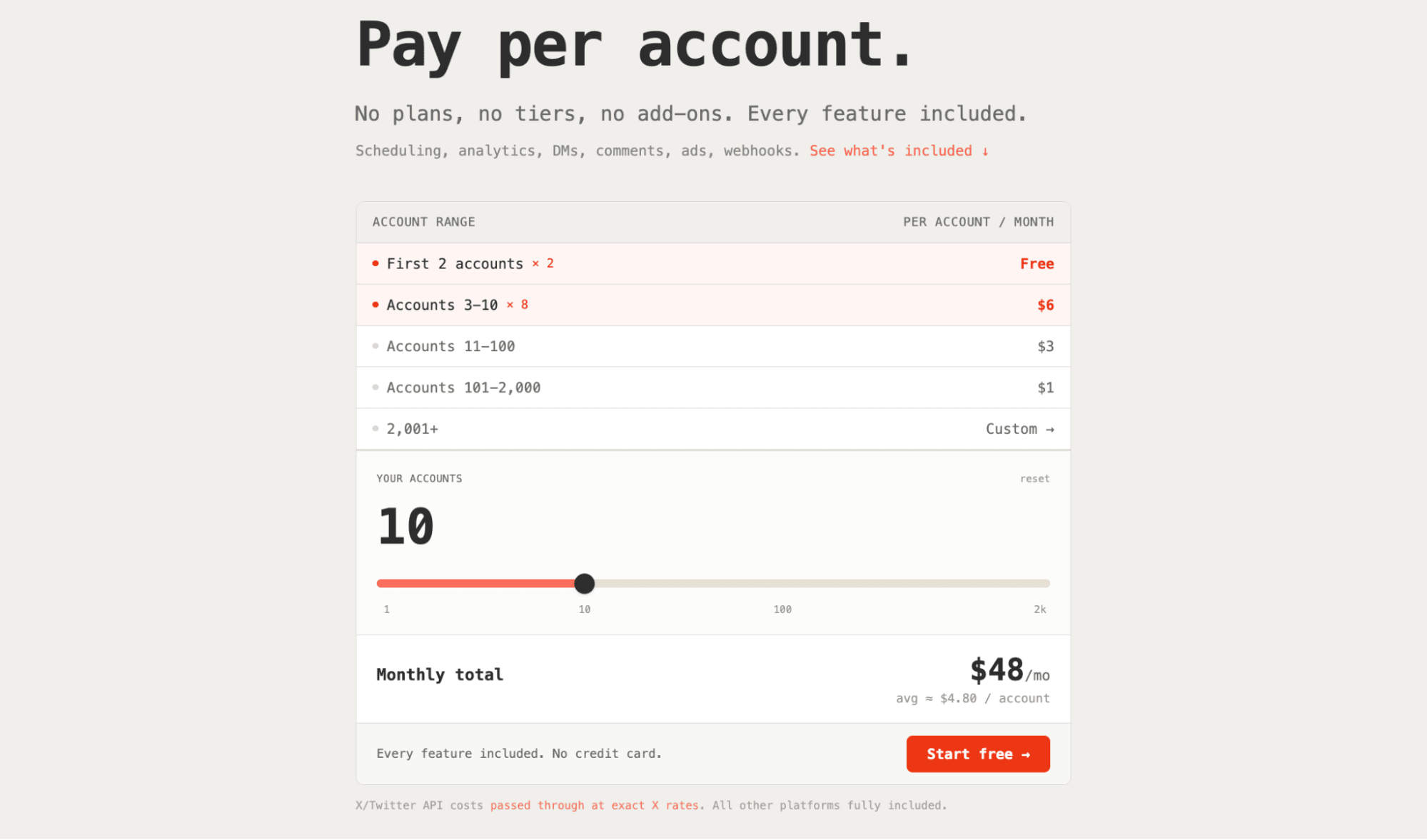
Zernio offers a free plan that includes up to 2 social accounts with access to all features, such as social ads, chat SDK adapter, post scheduling and publishing, analytics, social inbox (messages, comments, and reviews), and webhook integrations across platforms.
If you need more than two accounts, you pay per additional account, starting at $6/month for 3 social accounts (the per-account rate drops with volume).
Supported Platforms
Zernio supports a wide range of social media platforms for publishing, engagement, and automation, including: Facebook, Instagram, WhatsApp, Threads, LinkedIn, X (Twitter), TikTok, YouTube, Pinterest, Telegram, Reddit, Bluesky, Google Business, Snapchat, Discord, and additionally Unified Ads API (Google, Meta, LinkedIn, TikTok, Pinterest, X, and ChatGPT).
Pros
- Unified Ads API to manage paid campaigns across 8 platforms
- Combines dashboard control with complete developer API access
- MCP support for AI assistants and agent-based automation
- Quick setup with full access to ads, inbox, scheduling, and analytics
- Integrates with automation tools like n8n, Zapier, OpenClaw, and Make
- Multi-account and multi-brand management
- Chat SDK for building chatbots across social media and messaging platforms
- Transparent, usage-based pricing with no add-ons or hidden fees
- Intelligent API rate limit handling with automatic retries and request queuing
- Clean SDKs and docs to ship fast
- Activity logs for tracking and debugging API errors
- Webhooks with real-time events for posts, messages, and comments
- Automated alerts for account disconnections and usage limits
- Unlimited team member support
Cons
- Best value when used in developer or automation-focused environments
- Advanced workflows may require initial setup and configuration
Why is Zernio the best universal ads API in 2026?
Zernio stands out as the best universal ads API in 2026 because it provides a fault-tolerant API infrastructure for creating, monitoring, and managing advertising campaigns across 8 major advertising platforms, with a unified dashboard included.
It also supports AI assistants and agent-based automation through Model Context Protocol (MCP) server integration, integrates with popular workflow automation tools, enables team collaboration, and offers content scheduling, management, and publishing across 15 social media platforms.
2. Ayrshare
Website: https://www.ayrshare.com/
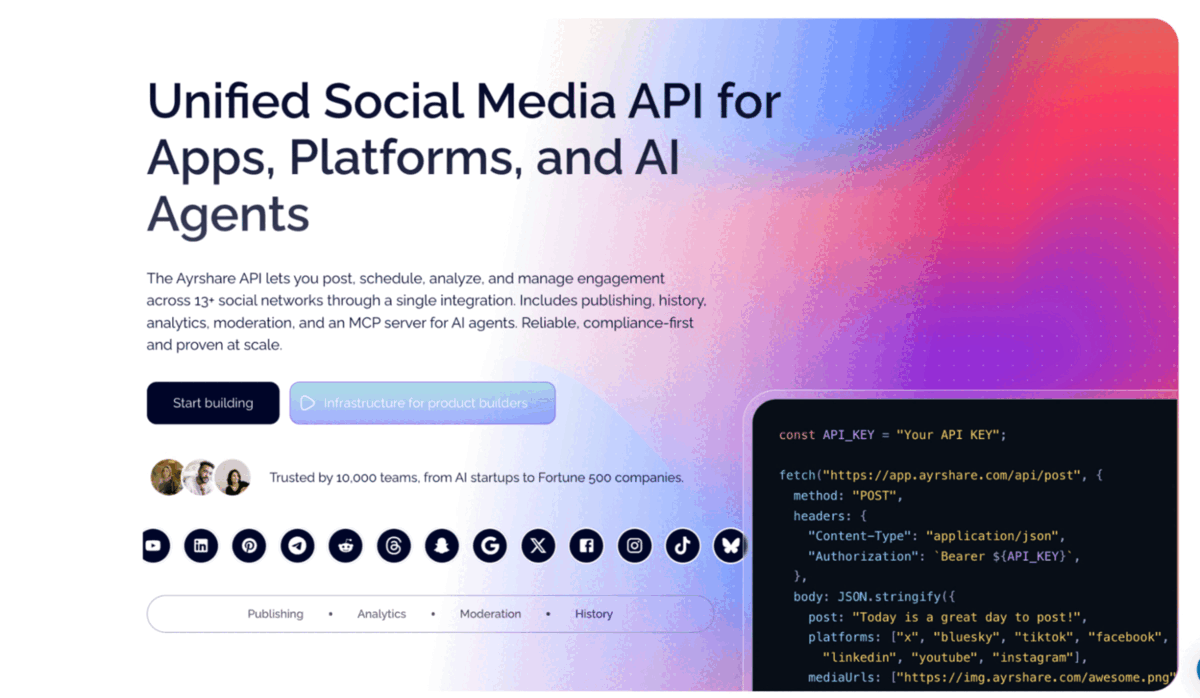
Ayrshare is a social media API platform that gives developers direct access to publishing, engagement, analytics, and advertising features across multiple social networks through a single integration.
Key Ads API Features
- Ads API for creating, managing, and monitoring Facebook ad campaigns.
- Support for post boosting, ad management, performance tracking, and ad spend analysis.
- Webhooks for real-time events and automation workflows.
- Analytics and reporting API for campaign performance insights.
Pricing
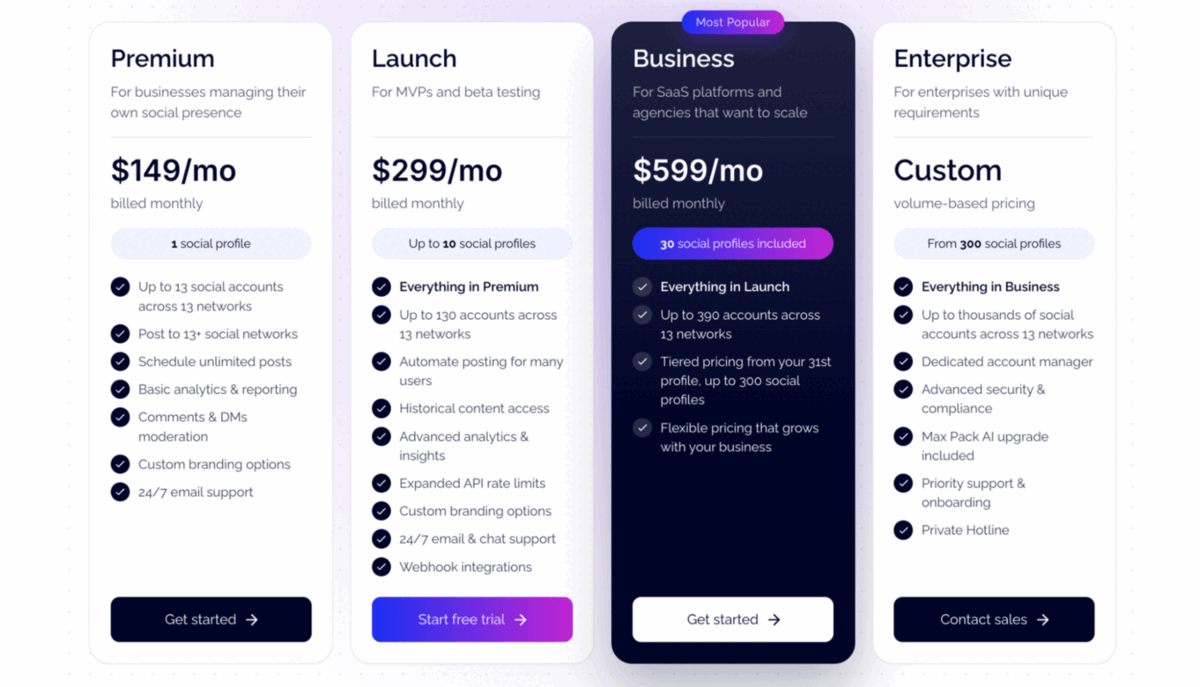
Ayrshare pricing plans start at $149 per month, with access to basic analytics and reporting, comments and DM moderation, unlimited post scheduling and team members.
Supported Platforms
Ayrshare supports Facebook ads management and API-based content publishing to X (Twitter), LinkedIn, Instagram, TikTok, Facebook, Snapchat, Reddit, Telegram, Threads, Bluesky, YouTube, Pinterest, and Google Business Profile.
Pros
- Native MCP server support for AI assistants and agent-based automation.
- APIs for publishing, post history, analytics, engagements, and creator data.
- API-first architecture with comprehensive developer documentation.
Cons
- Ads API is limited to Facebook ads only.
- No free plan; only a 28-day free trial.
- Pricing can quickly become expensive.
Why is Ayrshare the best universal ads API in 2026?
Ayrshare is an API-first platform for developers and SaaS teams that want to integrate social media publishing, analytics, and reporting directly into their applications. Its Ads API is limited to creating, managing, and monitoring Facebook ad campaigns, which may be enough if this is the main ad channel for you, but not suitable for businesses that need a single API to manage advertising campaigns across multiple platforms.
3. Metricool API
Metricool is a modern social media management platform that helps content creators and agencies to manage ads, schedule, and publish content across major social networks. It also includes team-focused tools such as competitor tracking, an approval system, and a centralised inbox.
Key Ads API Features
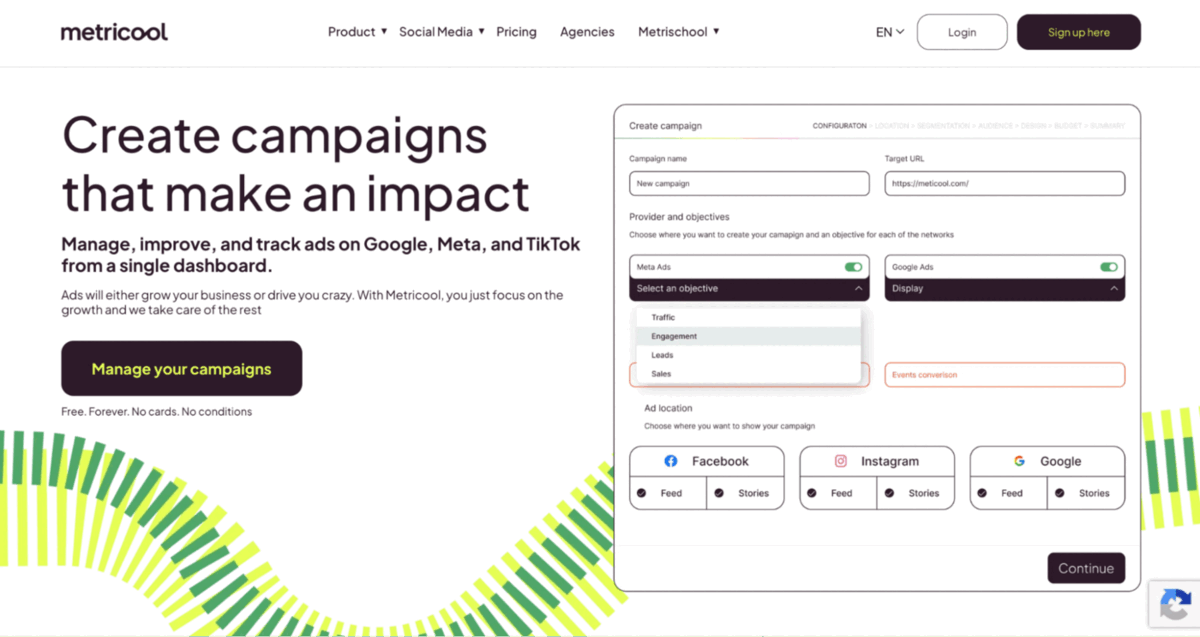
- Manage and monitor advertising campaigns across Google Ads, Meta Ads, and TikTok Ads from a single dashboard.
- Unified analytics dashboard with metrics such as impressions, clicks, conversions, CPC, and CPM.
- Generate ready-to-share advertising performance reports.
Pricing
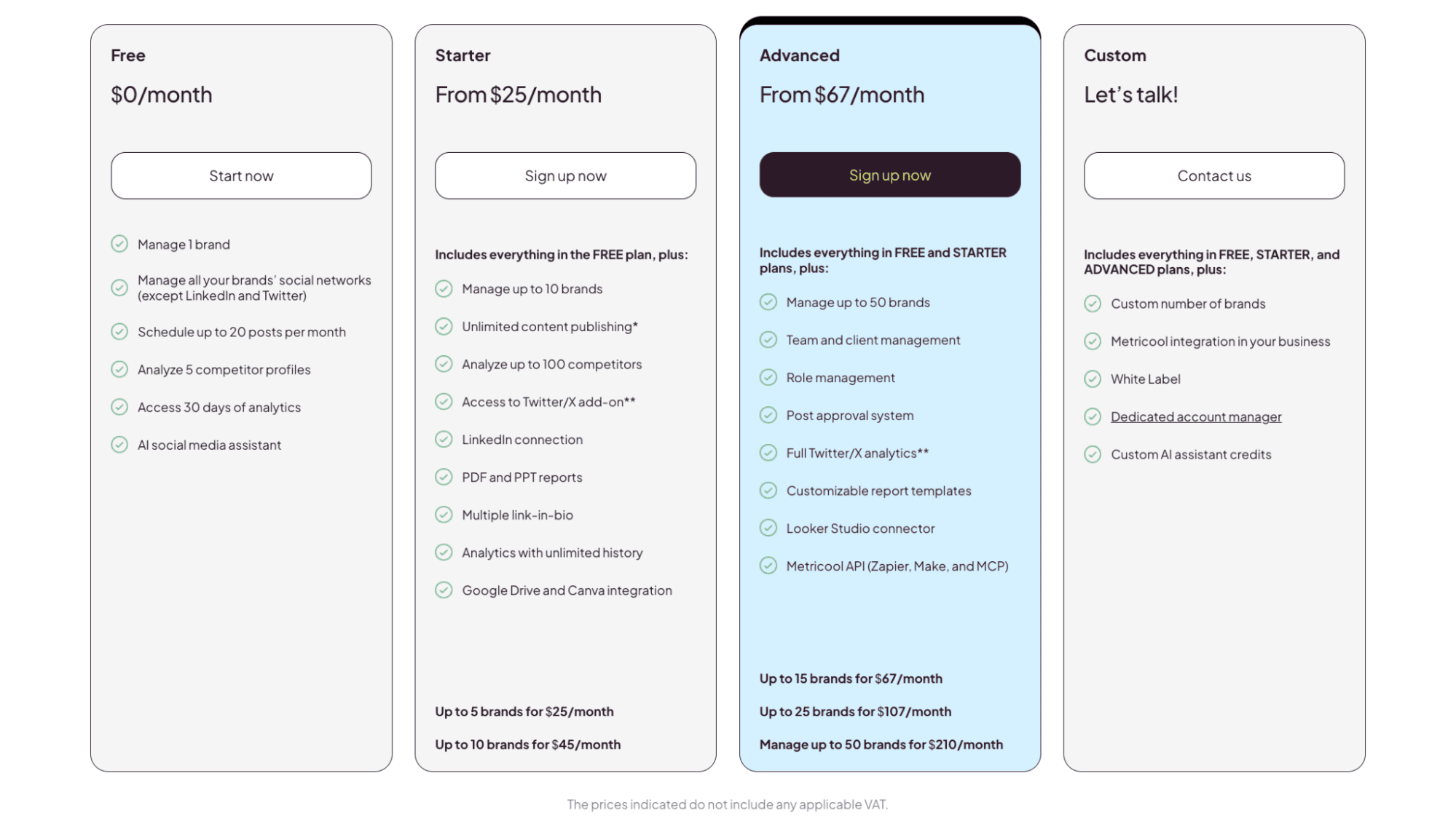
Metricool offers a free plan that includes access to 1 brand and up to 20 posts per month. Paid plans start at $25 per month and include support for up to 10 brands, plus unlimited content publishing, advanced analytics and reporting.
Supported Platforms
Metricool supports advertising management across Google Ads, Meta Ads, and TikTok Ads, as well as content planning, publishing, and analytics for 11 platforms, including Instagram, TikTok, YouTube, Threads, X (Twitter), Facebook, LinkedIn, Pinterest, Google Business Profile, Bluesky, and Twitch.
Pros
- Quick ad campaign setup with campaign goals, audience targeting, budgeting, and scheduling from a single dashboard.
- Unified dashboard for managing Google Ads, Meta Ads, and TikTok Ads.
- MCP server for integration with AI automation tools.
- Integrated content planning, publishing, analytics, and advertising management.
- Strong analytics and competitor tracking features across multiple platforms.
- Built-in AI social media assistant available on all plans, including the free tier.
- Reporting tools with exportable PDF and PPT reports.
Cons
- Primarily designed as a dashboard platform rather than an API-first solution.
- API endpoints are reverse-engineered from browser network requests rather than being provided through officially documented APIs.
- API is limited to exporting metrics and integrations with databases, CRMs, and automation tools like Zapier and Make.
- API access is limited to higher-tier plans (Advanced plan and above, starting around $67/month).
Why is Metricool API the best universal ads API in 2026?
Metricool combines multi-platform advertising management, analytics, and reporting into a single platform. It is especially useful for teams that need detailed performance tracking, AI-assisted content tools, MCP server integration, and structured reporting. However, its API is designed for data access and integrations, and its endpoints must be extracted from your browser's Network tab because they are not officially documented.
4. Unified
Website: https://unified.to/
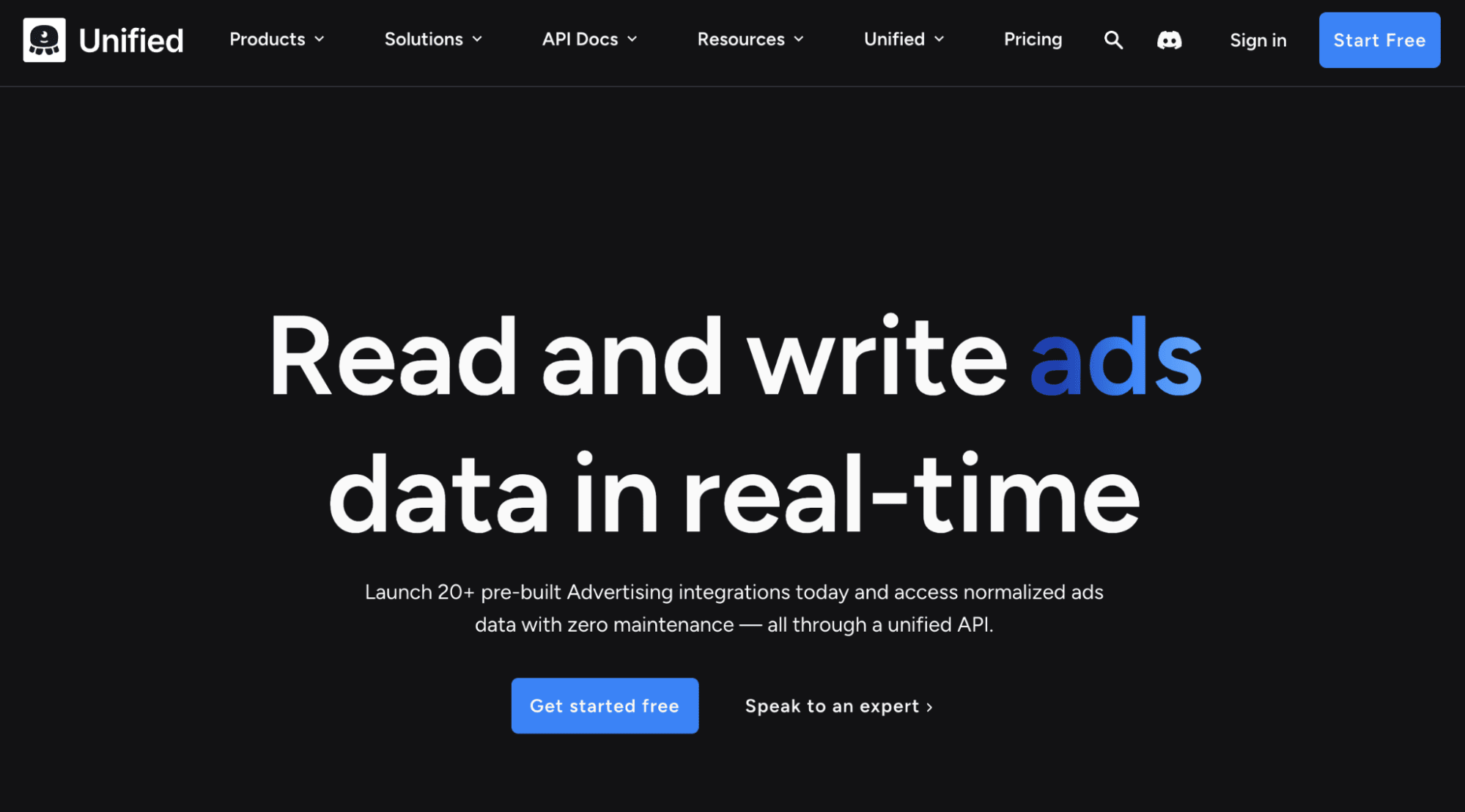
Unified is a universal API platform that enables developers to create, manage, and monitor advertising campaigns, track campaign performance, adjust budgets and audience targeting, and manage the entire campaign lifecycle from one integration.
Key Ads API Features
- Retrieve campaign, ad group, and ad performance metrics across multiple advertising platforms.
- Track ad spend and update campaign budgets in real time.
- Create, update, pause, and terminate advertising campaigns through a single API.
- Zero-storage architecture with stateless, regionalised traffic processing.
- Supports integrations with 20 advertising platforms.
Pricing
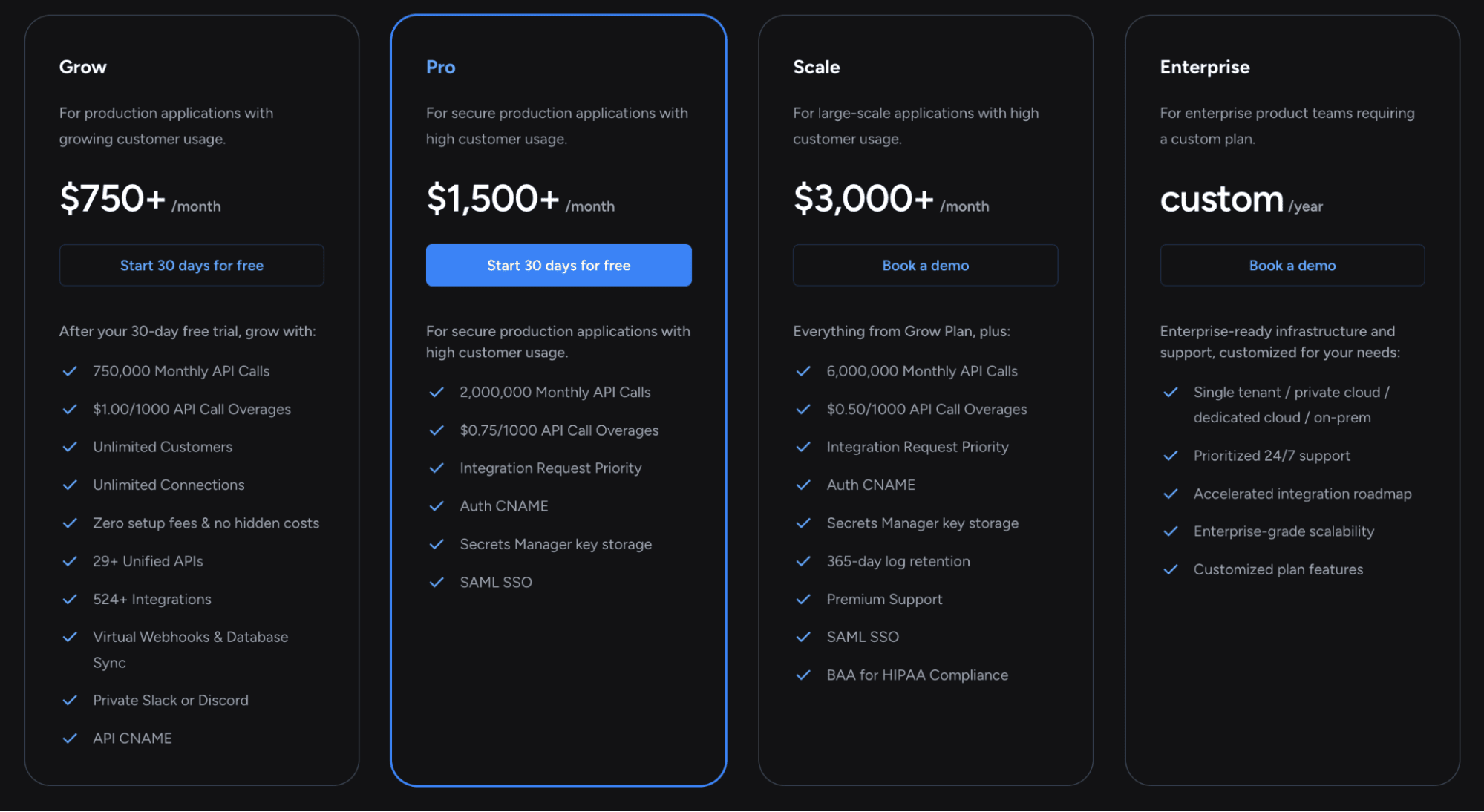
Unified Advertising API pricing starts at $750 per month and includes webhook support, database synchronisation, API logs, and access to more than 524 integrations, with no setup fees or hidden costs.
Supported Platforms
Unified API supports integrations with 20 advertising platforms, including Amazon Advertising, AppLovin (Advertiser and Publisher), Google Ads, Google Campaign Manager 360, Google Display & Video 360, Google Search Ads 360, Jobcase, Kevel, LinkedIn Ads, Meta Ads, Microsoft Advertising, OpenAI Ads, Pinterest Ads, Reddit Ads, Snapchat Ads, The Trade Desk, TikTok Ads, Tripadvisor, and X (Twitter) Ads.
Pros
- Every API request is sent directly to the source platform, with no caching, synchronisation jobs, or stale data.
- AI-ready integrations with support for embeddings, retrieval-augmented generation (RAG), and secure agent actions through MCP server integration.
- Transparent, usage-based pricing that scales with API volume.
- Webhook support for real-time events and workflow automation.
- CLI and SDKs for programmatic integrations and developer workflows.
Cons
- Pricing can be expensive for small teams, startups, and SaaS developers.
- Limited value for applications that only need a single advertising platform integration.
- Higher API usage can significantly increase costs because pricing scales with request volume.
Why is Unified Advertising API the best universal ads API in 2026?
Unified Advertising API is designed for businesses and SaaS platforms that need to integrate with multiple advertising networks through a single API. It supports campaign creation, budget management, performance tracking, audience targeting, and campaign lifecycle management across 20 advertising platforms. Its zero-storage architecture, AI-ready integrations, MCP server support, webhooks, and developer tools make it a good option for building scalable advertising automation and analytics solutions.
5. Sprinklr Ads API
Website: https://dev.sprinklr.com/advertising-apis
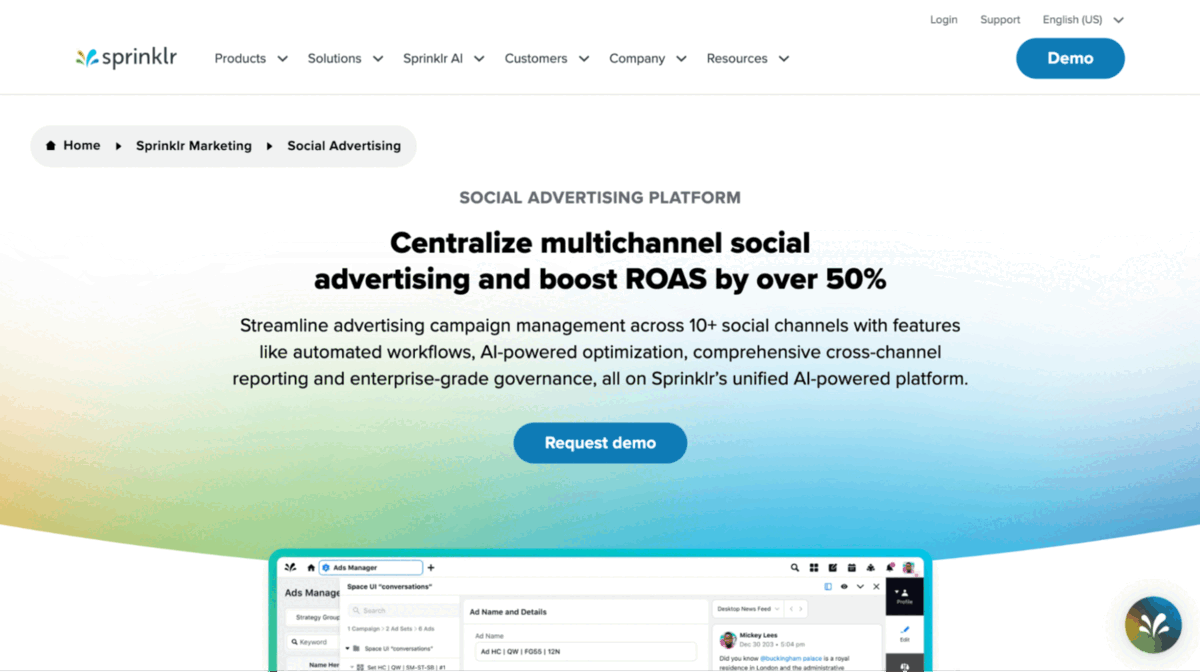
Sprinklr Ads API is a unified, channel-agnostic API for creating, managing, and monitoring advertising campaigns across multiple platforms, including Facebook, Instagram, LinkedIn, and X (Twitter).
Key Ads API Features
- Create, update, and manage advertising campaigns across multiple channels.
- Configure ad sets with audience targeting, placements, and bidding strategies.
- Set campaign budgets, schedules, optimisation goals, and delivery pacing.
- Define campaign and creative start/end dates, dayparting, and frequency caps.
- Retrieve campaign status and diagnostic information.
- Monitor real-time campaign performance, including impressions, clicks, spend, and conversions.
- Enforce campaign spend limits and delivery controls.
- Unified error handling with detailed channel-specific diagnostics.
Pricing
Sprinklr offers quote-based enterprise pricing and does not publicly disclose its pricing plans. Costs vary depending on the number of users, data volume, and the product suites. Additional costs may apply for implementation, professional services, and premium support.
Supported Platforms
Sprinklr Ads API supports advertising campaign management across 10+ platforms, including Meta (Facebook and Instagram), LinkedIn, X (Twitter), Pinterest, Snapchat, TikTok, and Nextdoor.
Pros
- Unified platform for managing paid social campaigns across multiple advertising channels.
- AI-powered budget optimisation, bidding, ad boosting, and creative rotation.
- Enterprise governance with role-based access, approval workflows, and audit trails.
- Advanced creative analytics to optimise ad content and campaign performance.
- Bulk ad creation with dynamic templates for personalised, large-scale campaigns.
- Centralised comments management on paid ads for engagement and brand protection.
- Automated rules to pause underperforming ads and protect return on ad spend (ROAS).
Cons
- Quote-based enterprise pricing with no publicly available pricing plans.
- Better suited for large enterprises than small businesses or startups.
- Complex implementation that often requires onboarding and training.
- Advanced features may require additional product modules or enterprise licensing.
Why is Sprinklr Ads API the best universal ads API in 2026?
Sprinklr Ads API is built for enterprises that need to manage large-scale advertising campaigns across multiple social media platforms. It combines campaign management, AI-powered optimisation, creative intelligence, governance controls, and advanced reporting in a single platform. With support for automated workflows, custom KPI tracking, and enterprise-grade collaboration and compliance features, it helps organisations manage complex, high-volume advertising operations.
Summary: Best Universal Ads APIs in 2026
The best universal ads API depends on your requirements, whether you need a developer-first API, enterprise-grade advertising management, or a unified platform for campaign automation and analytics.
If you're a developer, SaaS founder, or automation-focused team, Zernio is the best universal ads API in 2026. It combines advertising campaign management across 8 major advertising platforms with MCP server support, transparent pricing, workflow automation, and a fault-tolerant API infrastructure. It also supports content publishing, messaging, analytics, engagement, and AI-powered automation across 15 social media platforms through a single API, making it ideal for building scalable advertising and social media automation solutions.
For businesses that require enterprise-scale advertising integrations, Unified Advertising API and Sprinklr Ads API are good options. If your focus is dashboard-based advertising and social media management, Metricool offers a combination of campaign management, analytics and reporting, while Ayrshare is best for developers who need only Facebook Ads integration.
FAQs
1. What is API in advertising?
An advertising API (Ads API) allows developers to create, manage, and monitor advertising campaigns programmatically. Instead of using an advertising platform's dashboard, developers and advertisers can use an API to automate campaign creation, update budgets, retrieve performance data, and manage ads from their own applications or workflows.
2. Can I manage ads with an AI agent or MCP?
Yes, Zernio supports Model Context Protocol (MCP), enabling AI assistants and autonomous agents to create ad campaigns, update budgets, monitor performance, retrieve analytics, and automate advertising workflows by prompting your AI assistant.
3. Why should I use a universal ads API instead of direct platform APIs?
A universal ads API reduces development and maintenance effort by providing a single integration for multiple advertising platforms. Instead of managing different authentication methods, API versions, request formats, and rate limits for each platform, developers can build once and manage campaigns through a unified API.
4. Which universal ads API is best for developers and SaaS platforms?
Zernio is the best choice for developers, SaaS products, and automation-focused teams. It combines advertising management across 8 major advertising platforms with content publishing, messaging, analytics, engagement, MCP server support, and workflow automation through a single API.
5. Which universal ads API offers a free plan?
Zernio and Metricool offer free plans.
6. Can I manage social media and advertising through the same API?
Yes, Zernio lets you combine advertising management with social media publishing, messaging, analytics, comments, and engagement through a single API.